

• Smart Machine EA Devil Version MT4 @ https://atomfxstore.gumroad.com/l/SmartMachineEADevilVersionMT4 #SmartMachineEADVMT4 #ExpertAdvisor #ForexEA #ForexMT4EA #MT4Indicators
    Smart Machine EA Devil Version MT4 @ https://atomfxstore.gumroad.com/l/SmartMachineEADevilVersionMT4 #SmartMachineEADVMT4 #ExpertAdvisor #ForexEA #ForexMT4EA #MT4Indicators
    ATOMFXSTORE.GUMROAD.COM
    Smart Machine EA Devil Version MT4
    In the vast sea of forex trading systems, a true gem has emerged. The SMART MACHINE EA Devil Version has cemented its place as a top contender, seamlessly combining strategy trading, automated forex trading, and currency trading strategies. Its impressive track record spans over five years, boasting almost 1000% growth—a testament verified by myfxbook results.Key Features: Automated Trading System: Say goodbye to manual calculations and decision-making. This state-of-the-art forex auto trading system takes care of it all. The moment it receives a signal via VSA (Volume Spread Analysis), it’s set into motion. Adaptive Trading Strategy: Should the first trade culminate positively, another is promptly opened. Conversely, if the market sways unfavorably, the robot engages its profit exit algorithm. This entails adding new market transactions that progressively increase in size, leveraging the Martingale method. Nevertheless, traders with a distaste for this method can easily disable it via the Input Parameters. Risk Management: A unique feature of the SMART MACHINE EA is its comprehensive risk management system. Not only does it fortify your account against potential pitfalls, but it also lets you tailor trading risks to match your personal style and preferences. High ROI with Martingale Strategy: This best expert advisor for mt4 employs a blend of martingale and other techniques. While it promises high returns, it’s crucial to approach with caution, as there’s always the latent risk of account depletion if the deposit is inadequate. However, this concern dissipates once the initial investment has been recouped. At this juncture, the martingale strategy shifts from being precarious to highly lucrative. Recommendations: Optimal for both a $100 cent account and its standard counterpart. Exceptionally proficient with EURUSD, yet versatile enough for any currency pair. Ideally suited for the M5 timeframe, though it’s adaptable to others. For uninterrupted operations, it’s imperative to use a dependable VPS. Consider opting for a trusted FOREX VPS like FXVM. Strategy Control:For traders who crave control, the SMART MACHINE EA doesn’t disappoint. You have the autonomy to dictate its operations: MoneyManagmentType (1): This enables you to modulate the opening volume of successive transactions. Define the initial lot and tweak the Increase/Decrease coefficient. MoneyManagmentType (2): If you’re inclined towards a consistent approach, this mode facilitates trading with a steadfast lot. The grandeur of the SMART MACHINE EA Devil Version isn’t just in its technical prowess but in its accessibility. It’s open for everyone to download, ensuring that both rookies and veterans in forex trading can harness its power.In a realm as volatile as forex, having a trustworthy ally can make all the difference. The SMART MACHINE EA is more than just an ally—it’s a game-changer. Dive into the world of best forex trading with this unparalleled tool and redefine success.Disclaimer: Trading involves risks, and past performance is not indicative of future results. Always conduct thorough research and seek professional advice before trading.What’s in the package?Experts: Smart Machine DevilVersion v3.50.ex4 Smart Machine DevilVersion v3.50.ex5
    0 Commentaires 0 parts
  • https://www.databridgemarketresearch.com/reports/global-virtual-machine-market
    https://www.databridgemarketresearch.com/reports/global-virtual-machine-market
    WWW.DATABRIDGEMARKETRESEARCH.COM
    Virtual Machine Market – Global Market – Industry Trends and Forecast to 2029 | Data Bridge Market Research
    The Virtual Machine market was valued at USD 7,917.45 Million in 2021 and is expected to reach USD 23,884.74 Million by 2029, growing at a CAGR of 14.8% (2021-2029). Get insights on trends, segmentation, and key players with Data Bridge Market Research Reports.
    0 Commentaires 0 parts
  • Internal areas are usually difficult to reach manually—hence internal shot blasting machines are engineered with precision nozzles and automated systems to reach deep cavities, bores, tubes, and internal channels.

    https://sfecindia.net/roller-conveyor-type-shot-blasting-machine.html

    #technology #technologies #shotblastingmachine #socialmedia
    Internal areas are usually difficult to reach manually—hence internal shot blasting machines are engineered with precision nozzles and automated systems to reach deep cavities, bores, tubes, and internal channels. https://sfecindia.net/roller-conveyor-type-shot-blasting-machine.html #technology #technologies #shotblastingmachine #socialmedia
    SFECINDIA.NET
    Roller Conveyor Type Shot Blasting Machine | Conveyor Shot Blasting Machine in India – SFECIndia
    Explore high-performance Roller Conveyor Type Shot Blasting Machines by SFEC India. Leading Conveyor Type Shot Blasting Machine and Roller Conveyor Manufacturer in India for steel plates, beams & fabrication components.
    0 Commentaires 0 parts
  • As one of India’s leading shot blasting machine manufacturers, SFECIndia delivers advanced automated blasting systems designed to clean, strengthen, polish, and prepare components for coating and further processing.

    https://sfecindia.net/roll-etching-machine.html

    #technology #technologies #shotblastingmachine #socialmedia
    As one of India’s leading shot blasting machine manufacturers, SFECIndia delivers advanced automated blasting systems designed to clean, strengthen, polish, and prepare components for coating and further processing. https://sfecindia.net/roll-etching-machine.html #technology #technologies #shotblastingmachine #socialmedia
    SFECINDIA.NET
    Roll Etching Machine Manufacturers | Roll Texturing Machine Manufacturers
    Explore top-quality Roll Etching Machine Manufacturers and Roll Texturing Machine Manufacturers in India at Sfecindia. Precision-engineered machines for superior surface treatment, durability, and performance across industries.
    0 Commentaires 0 parts
  • Among the most effective surface finishing methods used today, internal and external shot blasting machines play an extremely crucial role.

    https://sfecindia.net/shot-peening-machine.html
    https://sfecindia.net/robotic-shot-peening-machine.html

    #technology #technologies #shotblastingmachine #socialmedia
    Among the most effective surface finishing methods used today, internal and external shot blasting machines play an extremely crucial role. https://sfecindia.net/shot-peening-machine.html https://sfecindia.net/robotic-shot-peening-machine.html #technology #technologies #shotblastingmachine #socialmedia
    SFECINDIA.NET
    Shot Peening Machine Manufacturers | Shot Peening Machine
    Discover Surfex India, leading shot peening machine manufacturers & suppliers in India, offering precision-engineered solutions for automotive, aerospace, and heavy engineering industries.
    0 Commentaires 0 parts
  • Industrial surface cleaning has become extremely essential in modern manufacturing processes where metal components must achieve the highest durability, dimensional accuracy, and corrosion resistance.

    https://sfecindia.net/

    #technology #technologies #shotblastingmachine #socialmedia
    Industrial surface cleaning has become extremely essential in modern manufacturing processes where metal components must achieve the highest durability, dimensional accuracy, and corrosion resistance. https://sfecindia.net/ #technology #technologies #shotblastingmachine #socialmedia
    SFECINDIA.NET
    Shot Blasting Machine Manufacturers : India’s No.1 Surface Finishing Experts
    Discover why SFEC India is recognized as India’s No.1 shot blasting machine manufacturer. We deliver advanced surface finishing, shot peening, and abrasive blasting solutions trusted by industries worldwide.
    0 Commentaires 0 parts
  • Project Cargo in India: Why Size Isn’t the Real Challenge

    A 90+ ton machine reaches an Indian port on time.

    The vessel is ready. The cranes are available.

    And yet, the cargo sits there for days.

    Not because it’s heavy — but because one approval was missed.

    That’s project cargo in India.

    What Project Cargo Really Means on the Ground

    Project cargo isn’t just oversized freight.

    It’s equipment tied to shutdown schedules, commissioning dates, and investment commitments.

    When a transformer, turbine, or reactor is delayed, the cost isn’t limited to freight.

    It impacts production, manpower, and revenue timelines.

    That’s why project cargo planning starts long before the cargo is shipped.

    Why Standard Freight Processes Fall Short

    Regular freight works on fixed lanes and predictable cargo.

    Project cargo doesn’t.

    Each shipment comes with:

    Unique dimensions and weight distribution
    Port handling constraints
    Customs classification sensitivities
    State-wise transport rules for ODC movement

    Using a “standard” approach for special cargo often leads to avoidable delays and cost overruns.

    Port Selection Can Make or Break the Timeline

    Not every Indian port is suitable for heavy or oversized cargo.

    A good freight forwarder evaluates:

    Crane capacity and berth strength
    Space availability for breakbulk cargo
    Ease of inland connectivity
    Customs efficiency at that port

    Choosing the wrong port can add weeks, not days, to a project schedule.

    ODC and Route Planning Is Where Risks Hide

    Oversized Cargo (ODC) movement is often underestimated.

    Before the cargo arrives, experienced forwarders check:

    Bridge load limits
    Road width and turning radius
    Overhead power lines and signage
    State and local transport permissions

    Skipping proper route surveys usually results in last-minute approvals, detentions, and unplanned costs.

    Related Article - https://www.cargopeople.com/blog/project-cargo-how-freight-forwarders-handle-special-shipments/

    The Freight Forwarder’s Role Goes Beyond Booking

    In project cargo, a freight forwarder becomes a coordinator.

    They align:

    Shipping lines and terminals
    Customs and documentation
    Transporters and crane operators
    State authorities and escorts

    This coordination ensures the cargo moves once, safely, and on schedule.

    The Real Takeaway for Businesses

    Project cargo doesn’t fail because it’s large.

    It fails when planning reacts to problems instead of preventing them.

    The right freight partner helps you control risk, cost, and timelines — before the cargo even moves.

    📞 +91 78350 06245

    📧 [email protected]

    Project Cargo in India: Why Size Isn’t the Real Challenge A 90+ ton machine reaches an Indian port on time. The vessel is ready. The cranes are available. And yet, the cargo sits there for days. Not because it’s heavy — but because one approval was missed. That’s project cargo in India. What Project Cargo Really Means on the Ground Project cargo isn’t just oversized freight. It’s equipment tied to shutdown schedules, commissioning dates, and investment commitments. When a transformer, turbine, or reactor is delayed, the cost isn’t limited to freight. It impacts production, manpower, and revenue timelines. That’s why project cargo planning starts long before the cargo is shipped. Why Standard Freight Processes Fall Short Regular freight works on fixed lanes and predictable cargo. Project cargo doesn’t. Each shipment comes with: Unique dimensions and weight distribution Port handling constraints Customs classification sensitivities State-wise transport rules for ODC movement Using a “standard” approach for special cargo often leads to avoidable delays and cost overruns. Port Selection Can Make or Break the Timeline Not every Indian port is suitable for heavy or oversized cargo. A good freight forwarder evaluates: Crane capacity and berth strength Space availability for breakbulk cargo Ease of inland connectivity Customs efficiency at that port Choosing the wrong port can add weeks, not days, to a project schedule. ODC and Route Planning Is Where Risks Hide Oversized Cargo (ODC) movement is often underestimated. Before the cargo arrives, experienced forwarders check: Bridge load limits Road width and turning radius Overhead power lines and signage State and local transport permissions Skipping proper route surveys usually results in last-minute approvals, detentions, and unplanned costs. Related Article - https://www.cargopeople.com/blog/project-cargo-how-freight-forwarders-handle-special-shipments/ The Freight Forwarder’s Role Goes Beyond Booking In project cargo, a freight forwarder becomes a coordinator. They align: Shipping lines and terminals Customs and documentation Transporters and crane operators State authorities and escorts This coordination ensures the cargo moves once, safely, and on schedule. The Real Takeaway for Businesses Project cargo doesn’t fail because it’s large. It fails when planning reacts to problems instead of preventing them. The right freight partner helps you control risk, cost, and timelines — before the cargo even moves. 📞 +91 78350 06245 📧 [email protected]
    WWW.CARGOPEOPLE.COM
    Project Cargo: How Freight Forwarders Handle Special Shipments - Cargopeople Blog
    When a power equipment manufacturer in Gujarat imported a 96-ton turbine from Germany, everything looked planned on paper. The vessel arrived on time at Mundra Port. But the cargo didn’t move for six extra days.The reason? A missing route approval for an overhead power line clearance on the highway. That delay alone added ₹4.8 lakh […]
    0 Commentaires 0 parts
  • https://www.egpsales.com/kjellberg-machine-spares/
    https://www.egpsales.com/kjellberg-machine-spares/
    WWW.EGPSALES.COM
    Kjellberg Machine Spares
    EGP Sales Corporation Best Kjellberg Machine Spares Consumables and Kjellberg Machine Spares Spares Parts and Kjellberg Machine Spares Supplier.
    0 Commentaires 0 parts
  • u4gm ARC Raiders guide how to choose the real best guns now

    If you have been trusting random tier lists or months-old videos when you build your kit, you are probably throwing away fights you should win with the right gun and maybe a decent ARC Raiders BluePrint setup. Most of the damage numbers people quote are either from early builds or completely made up, and none of that helps when you are trading shots in a messy raid. You quickly learn that what deletes a wandering drone often gets you farmed by another player, so you really have to split your thinking between PvP and PvE instead of trying to force one loadout into both.


    Trash Picks And Surprise Stars
    The Hairpin is the classic trap. Folks call it “tactical” or “stealth-friendly,” but once you use it in a real fight, you feel how slow and clunky it is. The kill times are awful, the manual action drags, and anyone with a half-decent rifle deletes you before you chamber the next round, so it ends up stuck in D-tier as a meme. The Stitcher sits at the other end of that spectrum: it looks like something you’d scrap, but in tight PvP it goes nuts. Stick a mag upgrade on it and it just keeps dumping rounds into people at close range. It absolutely melts players in rooms and stairwells, but when you try it on ARC mechs, it barely scratches them, so you keep it as an A-tier dueling gun, not a raid main.


    Rifles, Ranges And The Ventor Problem
    Players who are short on cash usually end up with the Rattler, which is basically a budget Tempest. It hits hard enough and reaches a bit further than you’d think, but the reload is brutal; you finish a magazine and you might as well go make a drink while your character slaps in a new one. It sits in that high B spot where it carries you until you unlock something better. For long-range, a lot of people fall in love with the Pharaoh first, and it’s fine as a support rifle, but once you pick up the Renegade you see the gap. The Renegade just cycles faster, lands cleaner hits, and drops targets before they can reposition, so it ends up in the same god-tier bracket as the Ventor. The Ventor is downright busted at the moment: it feels like the lightest gun in the game but slams like a full battle rifle. You get mobility and insane damage in one slot, which usually means the devs are already eyeing it for a nerf.


    Close-Quarters Panic Buttons
    When fights collapse into tight corridors, the Volcano and El Toro start to look unfair. The Volcano has one job under ten meters: erase whatever stepped into your crosshair before it even reacts. If you catch someone sprinting a doorway, they’re gone. El Toro plays a slightly different game; it’s more about controlling space. You hold a hallway, wait for someone to shoulder-peak, and you blast them back to the respawn screen. That said, if your whole run is focused on ARC machines instead of players, you can ignore most of that and grab a Hullcracker. Against people, it’s horrible and belongs in D-tier, but versus Bastions and drones it’s absurd, stripping armor and health like nothing else. For pure PvE value, you really only need one teammate with a Hullcracker to tear through objectives.


    All-Rounders And Upgrade Priorities
    The Tempest still feels like the safe pick when you do not know what the raid will throw at you. It behaves like the M16 of ARC Raiders: good enough at every range, easy to handle, and it never feels like the wrong gun when the fight moves from open ground to staircases. People get baited by rarity colors and flashy skins, but some of the so-called “common” guns swing way above their weight once you actually test time-to-kill and handling in live matches. If you are tired of grinding drops and just want to lock in a real endgame kit with the right rifles, shotguns and a few key upgrades, having access to reliable gear and the odd extra BluePrint makes a bigger difference than another night of running the same low-yield raids.Craft elite equipment using curated ARC Raiders Blueprints from U4GM, delivered quickly and always secaurely.
    u4gm ARC Raiders guide how to choose the real best guns now If you have been trusting random tier lists or months-old videos when you build your kit, you are probably throwing away fights you should win with the right gun and maybe a decent ARC Raiders BluePrint setup. Most of the damage numbers people quote are either from early builds or completely made up, and none of that helps when you are trading shots in a messy raid. You quickly learn that what deletes a wandering drone often gets you farmed by another player, so you really have to split your thinking between PvP and PvE instead of trying to force one loadout into both. Trash Picks And Surprise Stars The Hairpin is the classic trap. Folks call it “tactical” or “stealth-friendly,” but once you use it in a real fight, you feel how slow and clunky it is. The kill times are awful, the manual action drags, and anyone with a half-decent rifle deletes you before you chamber the next round, so it ends up stuck in D-tier as a meme. The Stitcher sits at the other end of that spectrum: it looks like something you’d scrap, but in tight PvP it goes nuts. Stick a mag upgrade on it and it just keeps dumping rounds into people at close range. It absolutely melts players in rooms and stairwells, but when you try it on ARC mechs, it barely scratches them, so you keep it as an A-tier dueling gun, not a raid main. Rifles, Ranges And The Ventor Problem Players who are short on cash usually end up with the Rattler, which is basically a budget Tempest. It hits hard enough and reaches a bit further than you’d think, but the reload is brutal; you finish a magazine and you might as well go make a drink while your character slaps in a new one. It sits in that high B spot where it carries you until you unlock something better. For long-range, a lot of people fall in love with the Pharaoh first, and it’s fine as a support rifle, but once you pick up the Renegade you see the gap. The Renegade just cycles faster, lands cleaner hits, and drops targets before they can reposition, so it ends up in the same god-tier bracket as the Ventor. The Ventor is downright busted at the moment: it feels like the lightest gun in the game but slams like a full battle rifle. You get mobility and insane damage in one slot, which usually means the devs are already eyeing it for a nerf. Close-Quarters Panic Buttons When fights collapse into tight corridors, the Volcano and El Toro start to look unfair. The Volcano has one job under ten meters: erase whatever stepped into your crosshair before it even reacts. If you catch someone sprinting a doorway, they’re gone. El Toro plays a slightly different game; it’s more about controlling space. You hold a hallway, wait for someone to shoulder-peak, and you blast them back to the respawn screen. That said, if your whole run is focused on ARC machines instead of players, you can ignore most of that and grab a Hullcracker. Against people, it’s horrible and belongs in D-tier, but versus Bastions and drones it’s absurd, stripping armor and health like nothing else. For pure PvE value, you really only need one teammate with a Hullcracker to tear through objectives. All-Rounders And Upgrade Priorities The Tempest still feels like the safe pick when you do not know what the raid will throw at you. It behaves like the M16 of ARC Raiders: good enough at every range, easy to handle, and it never feels like the wrong gun when the fight moves from open ground to staircases. People get baited by rarity colors and flashy skins, but some of the so-called “common” guns swing way above their weight once you actually test time-to-kill and handling in live matches. If you are tired of grinding drops and just want to lock in a real endgame kit with the right rifles, shotguns and a few key upgrades, having access to reliable gear and the odd extra BluePrint makes a bigger difference than another night of running the same low-yield raids.Craft elite equipment using curated ARC Raiders Blueprints from U4GM, delivered quickly and always secaurely.
    0 Commentaires 0 parts
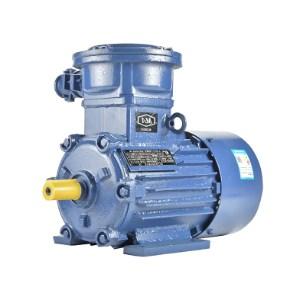
  • Is Your Machine Slowing You Down? The Real Reason Might Surprise You.
    For many users, the frustration doesn’t begin when a machine breaks — it begins long before that.

    Maybe you’ve noticed it too: a machine that should run smoothly slowly becomes noisy, warm, and strangely power-hungry. Even simple tasks start feeling delayed. At first you blame the workload… then the environment… and finally, yourself — “Maybe we’re pushing the equipment too hard.”

    But often, the root of the issue is the same old motor technology hiding inside.

    That’s why more users are starting conversations around Second Class Energy Efficient Motor models, not because they want a new toy, but because they're tired of dealing with problems that shouldn’t exist anymore.

    When “Normal” Isn’t Good Enough Anymore

    Traditional motors still work — but they rarely work with you.

    Users often describe the same cycle: rising electricity bills, frequent maintenance pauses, and machines that need “cooling breaks” more often than expected. You get used to this rhythm, thinking it’s just part of the job.

    But once you try an upgraded motor, you realize how much energy and time you've been silently losing.

    A Smoother Daily Workflow Without Changing a Single Habit

    The biggest fear many users have is:

    “If I upgrade, do I need to change how I work?”

    The answer — and the relief — is no.

    Second Class Energy Efficient Motor options are designed to integrate into the same workflow, same habits, same setups. Nothing becomes more complicated. What changes is the feeling of daily use:

    Machines start instantly without hesitation

    The usual heat buildup becomes a non-issue

    Noise levels drop, making long working hours less tiring

    You don’t work differently — everything around you simply becomes easier.

    When the Unexpected Happens — Your Motor Shouldn’t Panic

    Power fluctuations, dusty workspaces, long operation hours…

    These “edge cases” are where older motors usually show their weakness. Users worldwide are sharing stories about how they lost valuable hours not because the machine couldn’t work, but because the motor didn’t know how to cope.

    The new generation of Second Class Energy Efficient Motor models is built with these unpredictable moments in mind. Instead of forcing you to stop and troubleshoot, the motor stabilizes performance so you can continue working without interruptions.

    A Small Change That Feels Big

    Most upgrades feel like a burden — new connections, new instructions, new learning curve.

    But upgrading the motor rarely changes your workflow. What changes is what you no longer have to deal with: fewer pauses, fewer overheating episodes, fewer “why is this taking longer today” moments.

    That’s why users describe the switch to Second Class Energy Efficient Motor not as an upgrade, but as a relief — like finally removing a weight they didn’t know they were carrying.

    https://www.zjhute.com/product/
    Is Your Machine Slowing You Down? The Real Reason Might Surprise You. For many users, the frustration doesn’t begin when a machine breaks — it begins long before that. Maybe you’ve noticed it too: a machine that should run smoothly slowly becomes noisy, warm, and strangely power-hungry. Even simple tasks start feeling delayed. At first you blame the workload… then the environment… and finally, yourself — “Maybe we’re pushing the equipment too hard.” But often, the root of the issue is the same old motor technology hiding inside. That’s why more users are starting conversations around Second Class Energy Efficient Motor models, not because they want a new toy, but because they're tired of dealing with problems that shouldn’t exist anymore. When “Normal” Isn’t Good Enough Anymore Traditional motors still work — but they rarely work with you. Users often describe the same cycle: rising electricity bills, frequent maintenance pauses, and machines that need “cooling breaks” more often than expected. You get used to this rhythm, thinking it’s just part of the job. But once you try an upgraded motor, you realize how much energy and time you've been silently losing. A Smoother Daily Workflow Without Changing a Single Habit The biggest fear many users have is: “If I upgrade, do I need to change how I work?” The answer — and the relief — is no. Second Class Energy Efficient Motor options are designed to integrate into the same workflow, same habits, same setups. Nothing becomes more complicated. What changes is the feeling of daily use: Machines start instantly without hesitation The usual heat buildup becomes a non-issue Noise levels drop, making long working hours less tiring You don’t work differently — everything around you simply becomes easier. When the Unexpected Happens — Your Motor Shouldn’t Panic Power fluctuations, dusty workspaces, long operation hours… These “edge cases” are where older motors usually show their weakness. Users worldwide are sharing stories about how they lost valuable hours not because the machine couldn’t work, but because the motor didn’t know how to cope. The new generation of Second Class Energy Efficient Motor models is built with these unpredictable moments in mind. Instead of forcing you to stop and troubleshoot, the motor stabilizes performance so you can continue working without interruptions. A Small Change That Feels Big Most upgrades feel like a burden — new connections, new instructions, new learning curve. But upgrading the motor rarely changes your workflow. What changes is what you no longer have to deal with: fewer pauses, fewer overheating episodes, fewer “why is this taking longer today” moments. That’s why users describe the switch to Second Class Energy Efficient Motor not as an upgrade, but as a relief — like finally removing a weight they didn’t know they were carrying. https://www.zjhute.com/product/
    0 Commentaires 0 parts
No data to show
No data to show
No data to show